What Is Material Handling?
Material handling is the coordinated movement, storage, protection, and control of materials and products throughout their lifecycle. It includes every touchpoint where items are received, stored, picked, packed, transported, and delivered. These activities may be performed by people, powered equipment, or automated systems and apply to raw materials, work-in-progress, finished goods, and returns. For readers wondering what does material handling mean beyond a definition, think of it as the end-to-end flow within a site that keeps goods moving safely and efficiently.
The goals are straightforward: improve safety, increase efficiency, reduce costs, and enhance accuracy and throughput. Effective programs limit unnecessary touches, shorten travel distances, balance workloads, and ensure the right item is at the right place at the right time. If you are exploring what is material handling from a strategic perspective, these goals form the backbone of a high-performing operation.
Material handling practices apply in diverse environments, including manufacturing lines and production cells, warehouses and distribution centers, retail backrooms, e-commerce fulfillment operations, and construction sites. While each environment adapts to its product mix and service commitments, the underlying principles are consistent. When someone asks what is material handling? in any of these contexts, the same foundational practices apply.
Types of Material Handling Equipment
Reliable equipment is essential to move and store goods safely and efficiently. The best choices depend on load dimensions and weight, facility layout, order volumes, and your desired level of automation. Below are the core categories found in modern operations, useful when considering what is material handling equipment for your specific needs.
- Storage and racking systems: Pallet rack configurations such as selective, drive-in, push-back, and pallet flow provide organized storage for pallets at varying densities and access profiles. Shelving and bin systems support case and piece picking. Mezzanines add usable square footage by extending storage vertically without enlarging the building. Automated options like vertical lift modules (VLMs), carousels, and automated storage and retrieval systems (AS/RS) improve storage density and picking speed while reducing labor. Understanding what is material handling equipment in this category helps match density and access to your SKU profile.
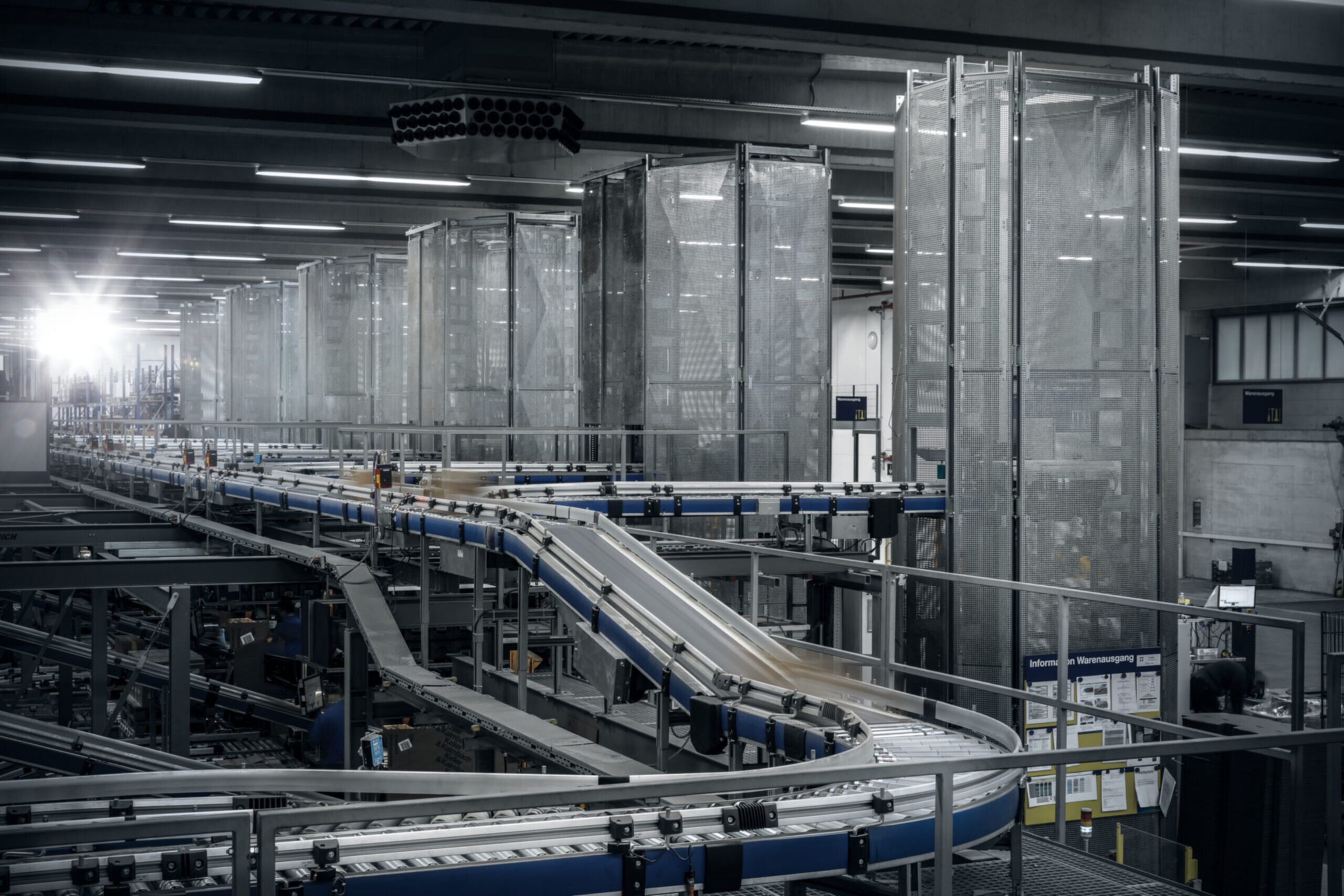
- Material movement equipment: Conveyors—belt, roller, and accumulation—create predictable flow and reduce manual travel. Pallet jacks and hand trucks excel at short-distance moves and tight spaces. Forklifts, reach trucks, and order pickers handle heavier loads and high-bay storage. Carts and tuggers support batch picking, replenishment, and cross-docking, especially when combined with pick-to-cart methods.
- Bulk handling and specialized lifting: Hoppers, silos, and chutes facilitate the movement of bulk materials. Cranes, hoists, scissor lifts, and vacuum lifters support safe handling of oversized or heavy items and add ergonomic assistance. Specialized attachments—such as clamps, drum handlers, and fork positioners—modify standard equipment to accommodate unique loads and packaging types. When evaluating what is material handling equipment for unique loads, these attachments often make the difference.
Key Activities and Processes in Material Handling
- Receiving, inspection, and putaway: Efficient receiving begins with appointment scheduling and advanced shipment notices (ASNs) that provide pre-receipt data to validate quantities and identify exceptions quickly. Inspection checks for damage and compliance with specifications. Putaway, often guided by a warehouse management system (WMS), assigns optimal locations based on velocity, size, and replenishment needs to minimize travel and maintain accurate inventory. If you are clarifying what does material handling mean at the dock, these activities set the tone for accuracy and flow.
- Order picking, packing, and staging: Picking strategies include single-order, batch, zone, and wave picking. Technologies like barcode scanning, RFID, pick-to-light, and voice-directed systems improve speed and accuracy. Packing ensures items are protected and correctly labeled, with right-sized packaging to control costs. Staging organizes outbound loads by route, carrier, or departure time to streamline loading and reduce delays.
- Internal transport, consolidation, and returns: Internal moves connect receiving to storage, storage to picking, and packing to shipping using tuggers, conveyors, or autonomous mobile solutions such as AGVs and AMRs. Consolidation brings items from multiple zones together to complete orders. Returns handling (reverse logistics) includes inspection, disposition decisions (restock, refurbish, or scrap), and root-cause analysis to curb future returns and protect margins.
Benefits of Efficient Material Handling
Optimized material handling delivers tangible gains in productivity, cost control, safety, and customer experience. When discussing what is material handling? in terms of outcomes, these benefits demonstrate why it matters.
- Higher productivity and shorter cycle times: Streamlined flows reduce unnecessary travel and compress lead times, enabling faster fulfillment and greater throughput without expanding the footprint or headcount. Automation in storage and conveyance smooths variability and removes bottlenecks.
- Lower labor costs and fewer errors: Standardized processes and the right equipment reduce touches per order and eliminate rework. Scanning and directed picking decrease mispicks and improve inventory accuracy, limiting costs from returns and reships.
- Better space utilization: High-density racking, vertical storage, and intelligent slotting maximize available cubic capacity and can defer costly expansions. Improved organization reduces time spent locating items and improves flow.
- Enhanced safety and compliance: Ergonomic tools and mechanical assists reduce strain-related injuries. Clear traffic policies, load restraints, and training mitigate incidents involving powered industrial trucks and conveyors. Documented procedures support compliance with OSHA and relevant industry standards.
- Reduced damage and improved quality: Proper packaging, secure storage, and careful handling lower product damage and shrink, safeguarding brand reputation and customer satisfaction.
Best Practices for Optimizing Material Handling
Operational excellence stems from intentional design and continuous improvement. The following practices help align people, processes, and technology and ground a practical understanding of what is material handling and how to improve it.
- Layout design and flow optimization: Map current-state flows to expose bottlenecks and backtracking. Place fast movers in golden zones near primary pick paths and at ergonomic heights. Separate pedestrians from vehicles wherever possible and standardize aisle widths based on equipment. Use one-way aisles and dedicated staging to curb congestion. Clearly designate inbound, processing, and outbound zones to reduce cross-traffic.
- Slotting strategies: Slot SKUs according to velocity, size, weight, and order affinity. Position heavy items at waist-to-shoulder height to reduce strain. Co-locate items commonly ordered together to shorten pick paths. Review slotting seasonally or when the product mix changes; dynamic slotting within a WMS can continuously adjust locations as demand shifts.
- Standard operating procedures and training: Document SOPs for receiving, putaway, picking, packing, and returns. Reinforce with hands-on training, refreshers, and cross-training to increase flexibility during peaks. Support consistency with clear signage, floor markings, and visual controls.
- Safety protocols: Enforce certifications for forklifts and other equipment, adhere to speed limits, and conduct pre-shift inspections. Implement lockout/tagout procedures and ensure proper machine guarding. Provide PPE and encourage near-miss reporting to proactively address risks. Use ergonomic aids such as lift tables and vacuum lifters to reduce strain.
- Performance measurement: Track KPIs including lines picked per hour, order cycle time, pick accuracy, dock-to-stock time, putaway accuracy, space utilization, cost per order, equipment uptime, and safety incident rates. Use dashboards to monitor trends and drive root-cause analysis. Benchmark against historical performance and industry peers to set realistic improvement targets.
Implementing and Maintaining a Material Handling System
Successful implementations balance near-term needs with long-term scalability and integration. Thoughtful planning prevents costly rework and maximizes return on investment. For those still asking what is material handling? in an implementation context, consider how people, processes, and what is material handling equipment choices come together as a cohesive system.
- Choosing the right equipment and scaling with demand: Begin with a clear requirements analysis, including load characteristics, order profiles, peak volumes, and growth projections. Pilot critical solutions in a controlled area before full rollout to validate assumptions. Select modular systems that expand incrementally—extendable conveyors, additional rack bays, or scalable AMR fleets—so capacity grows with demand. Evaluate lifecycle costs beyond the initial purchase, including maintenance, energy usage, software, and training.
- Integration with inventory systems and automation readiness: A WMS acts as the control tower, orchestrating receiving, putaway, replenishment, picking, and shipping. Integrate with ERP, transportation management systems (TMS), and automation controllers (PLC/WCS/WES) to synchronize data and workflows. Define data standards early: item masters, locations, units of measure, labeling, and barcode formats. Plan network and power infrastructure to support future automation such as conveyors, AS/RS, and robotics.
- Maintenance plans and continuous improvement: Preventive maintenance for forklifts, conveyors, and automated systems reduces unplanned downtime. Use condition monitoring where available to catch issues early. Conduct routine safety and compliance inspections, including rack audits and load checks. Establish a continuous improvement loop: document processes, gather feedback from operators, analyze KPIs, test improvements, and standardize successful changes. Encourage participation through suggestion programs and kaizen events.
Material Handling Strategies by Environment
While principles are consistent, different environments call for tailored approaches. These examples translate what does material handling mean in context and help clarify what is material handling across varied operations.
- Manufacturing and production: Focus on line-side delivery, just-in-time replenishment, and work-in-progress control. Kitting stations, tugger routes, and point-of-use storage reduce changeover times and improve line efficiency. Error-proofing (poka-yoke) and visual management enhance quality.
- Warehousing and distribution: Emphasize smart slotting, efficient pick paths, and value-added services like labeling and light assembly. Use a blend of manual and automated systems to match demand profiles. Cross-docking can shorten lead times for fast movers.
- E-commerce fulfillment: High SKU counts and variable order sizes benefit from goods-to-person solutions, dynamic slotting, and robust packing automation. Real-time inventory visibility and flexible labor models help manage peaks.
- Retail backrooms: Simplify replenishment with standardized bins, mobile carts, and clear staging. Lightweight equipment and simple processes keep teams agile and focused on sales floor service.
- Construction and bulk materials: Prioritize safe rigging, stable storage, and weather-resistant handling. Use cranes, hoists, and hoppers designed for site conditions, and ensure clear traffic plans to prevent incidents.
Common Challenges and How to Address Them
- Space constraints: Adopt high-bay racking, narrow-aisle equipment, and vertical storage solutions. Re-slot based on velocity to place fast movers at optimal locations and consolidate slow movers. Consider mezzanines to add capacity without expanding the building.
- Labor shortages and variability: Standardize work, cross-train teams, and use labor planning tools in your WMS. Introduce assistive technologies like pick-to-light and voice systems to increase productivity for new hires and seasonal workers.
- Inconsistent data: Enforce standards for item masters, units of measure, and labeling. Implement cycle counting and reconciliation to maintain inventory accuracy. Integrate core systems to reduce manual data entry.
- Equipment downtime: Establish preventive maintenance schedules and train operators on daily checks. Stock critical spares and use condition monitoring to detect issues early. Track mean time between failures (MTBF) and mean time to repair (MTTR) to guide improvements.
- Safety incidents: Separate pedestrian and vehicle traffic, improve lighting and sightlines, and enforce speed limits. Reinforce training, PPE use, and near-miss reporting to build a proactive safety culture.
How to Evaluate Material Handling Investments
Choosing between manual enhancements and automation requires a structured assessment that balances cost, flexibility, and performance. Asking what is material handling equipment for a given process helps frame choices in terms of throughput, ergonomics, and safety.
- Total cost of ownership (TCO): Calculate initial capital plus installation, software, energy, maintenance, spares, and training. Consider depreciation, tax implications, and residual values.
- Throughput and service impact: Model current and projected volumes, peak-to-average variability, and required service levels. Quantify how the solution affects order cycle times, accuracy, and on-time performance.
- Scalability and flexibility: Favor modular solutions that can scale in phases. Evaluate how quickly capacity can be added and how easily systems can adapt to new SKUs or order profiles.
- Risk and resilience: Assess vendor support, parts availability, and redundancy. Plan for contingencies, including manual workarounds, to maintain operations during outages.
Frequently Asked Questions
What is the difference between material handling and logistics? Material handling focuses on the physical movement, storage, and control of materials within a facility or campus, including receiving, putaway, picking, and internal transport. Logistics is broader, covering planning and execution across the supply chain, including transportation between facilities, inventory planning, order management, and customer delivery. If your question is what is material handling? compared to logistics, think “inside the four walls” for material handling and “across the network” for logistics.
How do I choose between manual and automated solutions? Start by evaluating order volumes, SKU counts, labor availability, error rates, and demand variability. Manual solutions offer lower upfront costs and flexibility, making them suitable for low to moderate volumes or highly variable operations. Automation provides consistent throughput and accuracy at higher volumes, often delivering better long-term unit economics. Use a total cost of ownership analysis and consider phased adoption—begin with assistive technologies like conveyors or pick-to-light, then layer in AS/RS or AMRs as volumes grow. Clarifying what is material handling equipment for each step will guide an appropriate roadmap.
What safety standards apply to material handling equipment? OSHA regulations govern powered industrial trucks, machine guarding, lockout/tagout, and walking-working surfaces. ANSI/ITSDF standards provide detailed guidance for forklifts and related equipment. Always follow manufacturers’ instructions and internal SOPs, ensure proper training and certifications, and maintain documented inspections.
How often should we re-slot our warehouse? Review slotting at least quarterly, and more frequently for seasonal operations or rapidly changing assortments. Re-slot when demand patterns shift, new SKUs are introduced, or space constraints emerge. Use WMS analytics to identify candidates based on velocity, travel distance, and pick density. This is a practical application for anyone asking what does material handling mean day to day.
What KPIs best reflect material handling performance? Useful KPIs include order cycle time, lines picked per labor hour, pick accuracy, dock-to-stock time, putaway accuracy, space utilization, cost per order, equipment uptime, and safety incident rates. Select a balanced set that aligns with service goals and cost structure, and track trends to drive continuous improvement.
Key Takeaways
- Material handling covers the movement, storage, protection, and control of goods across their lifecycle, within and between facility processes. If you are still asking what is material handling?, think of it as the complete, safe flow of goods inside your operation.
- Success depends on choosing the right combination of storage systems, movement equipment, and automation to match your product mix and demand profile. Understanding what is material handling equipment for each task ensures the right fit.
- Disciplined processes in receiving, putaway, picking, packing, and returns increase accuracy, reduce costs, and improve safety.
- Continuous improvement—supported by clear SOPs, training, safety programs, and KPI tracking—drives long-term performance gains.
- Plan for scalability and integration from the start to future-proof your operation as volumes and customer expectations evolve. When leaders ask what does material handling mean for growth, the answer lies in modular design and robust data integration.